Cyberpunk 2077 Is in the Museum of Failure, and I’m Not Sure It Belongs
Cyberpunk 2077's Museum of Failure spot sparks debate: does a broken launch define a game that became a comeback story?
I did a double take when I first heard that Cyberpunk 2077 had been spotted in the Museum of Failure. Not because the game’s 2020 launch was smooth — it absolutely was not — but because seeing it displayed alongside Google Glass and that E.T. game feels like a very permanent label for a game that has spent the last few years rewriting its own story. A fan on a trip recently brought the exhibit to wider attention, and ever since, players have been arguing about whether CD Projekt Red’s sci-fi epic deserves a place in a museum dedicated to disasters.
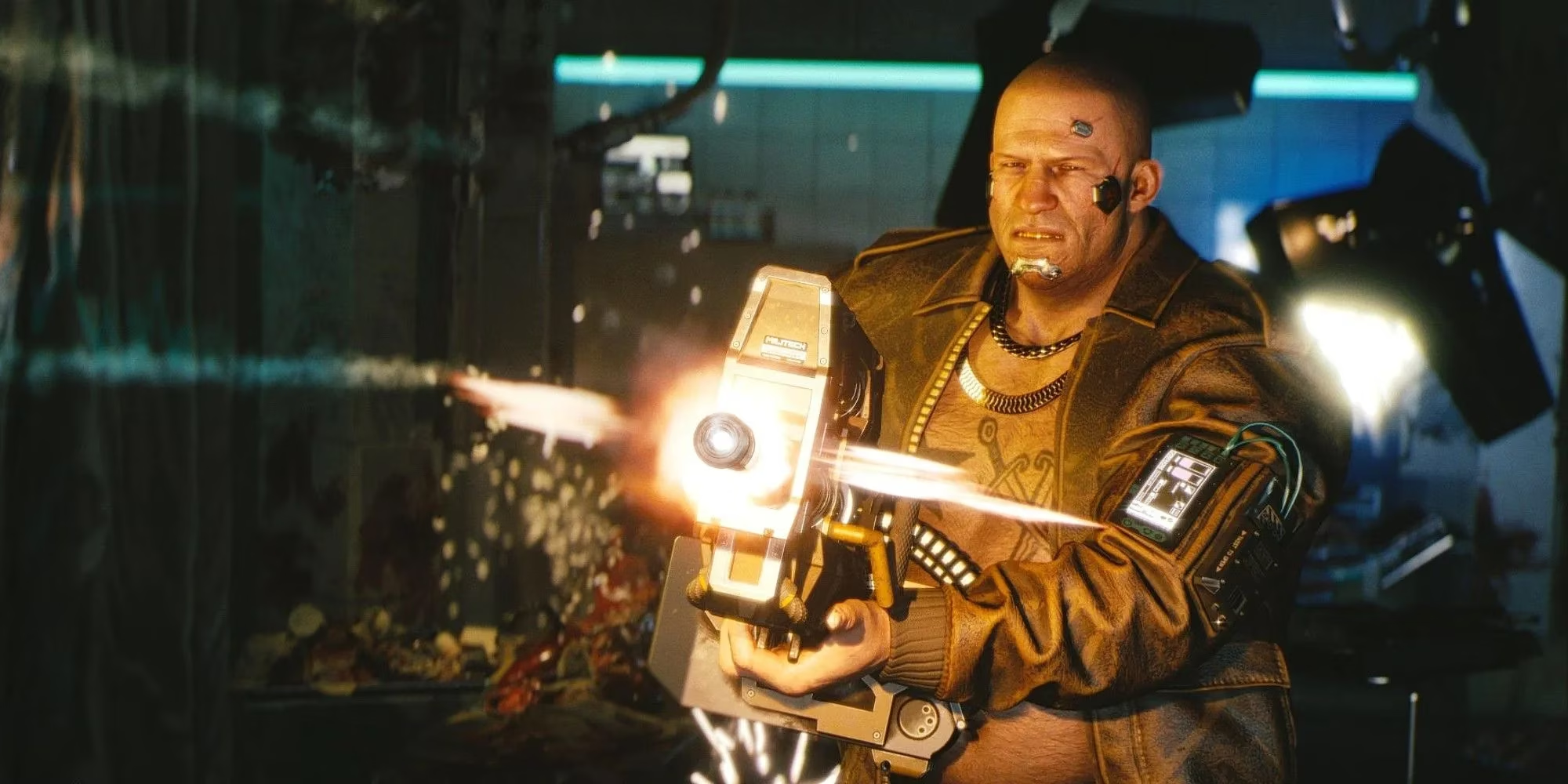
The case for the museum is not hard to understand. Cyberpunk 2077 launched in 2020 in a state that was, for many players, genuinely broken. Bugs were everywhere, promised features were missing, and the PlayStation Store pulled the game for months after an avalanche of refund requests. Car chases and parkour had been shown off in promotional material, yet they were not in the game. For a project that had been marketed as the next generation of open-world RPGs, that gap between promise and reality was brutal. The Museum of Failure exists to teach people about exactly that kind of gap, so in one sense, the exhibit makes perfect sense.
But here is where I start to hesitate. Does a disastrous launch define a game forever? I played on the oldest PS4 known to humanity, and somehow I did not hit many of the issues that others did. That does not mean everyone had a bug-free experience — clearly, many did not — but it does show how uneven the launch was. Some players got a messy but playable game. Others got something far worse. The museum label, by nature, flattens all of that into a single word: failure. Is that fair for a game that has since sold well, fixed most of its problems, and become a genuine comeback story?
That comeback is real. Sales improved as bugs were patched and free expansions rolled out. Then Cyberpunk: Edgerunners arrived on Netflix and gave the game a massive second wind. CD Projekt Red wisely put the game on sale around the anime’s release, and the combination of a beloved show and a cheaper entry point brought in a new audience. By 2026, Cyberpunk 2077 is no longer the punchline it once was. It is a game people recommend, mod, and revisit. That makes the Museum of Failure exhibit feel less like a final verdict and more like a snapshot of a very specific moment.
Of course, the game has not been completely free of controversy. The big story expansion, Phantom Liberty, did not launch on last-gen consoles. That was a painful decision for players who bought Cyberpunk 2077 on PS4 or Xbox One at launch and waited years for the promised expansion. Yes, the newer hardware allowed the developers to make a better expansion. But was it fair to leave day-one buyers behind? It is hard not to see that as a slimy move, especially for a game that originally launched on those older consoles and did not get a PS5 and Xbox Series X/S release until much later. The museum may be focused on the launch, but the last-gen expansion snub is part of the same story: a game that kept asking its most loyal players to accept one compromise after another.
So where does that leave Cyberpunk 2077? I think it belongs in the Museum of Failure, but not as a simple joke. It belongs there as a cautionary tale about hype, broken promises, and the cost of releasing a game before it is ready. At the same time, it also belongs in the story of redemption. Very few games get a second chance this strong, and even fewer use that chance to rebuild trust. The museum exhibit captures the disaster. It does not capture the recovery.
| Question | My take |
|---|---|
| Was the launch a failure? | Yes, for many players and for CD Projekt Red’s reputation. |
| Does it deserve the museum? | As a lesson about hype and broken promises, yes. |
| Is it still a failure today? | No, but the original state remains a warning. |
| Was Phantom Liberty handled well for last-gen owners? | No, and that deserves criticism too. |
Maybe the better question is this: can a museum label ever capture a game that refuses to stay still? Cyberpunk 2077 is not just one thing. It is a broken launch, a successful anime tie-in, a patched-up RPG, and a lesson in how long it takes to repair trust. I am glad the game recovered. I am also glad the Museum of Failure exists, because the industry needs reminders of what happens when promises outrun reality. But if the exhibit is meant to be a final punchline, I think it misses the point. Cyberpunk 2077 is a failure and a comeback at the same time. That is a messier story than a museum plaque can hold — and honestly, it is a more interesting one. 🎮
Comments