Dogtown Diaries: A 2026 Runner’s Return to Cyberpunk 2077’s Walled-Off Combat Zone
Dogtown in Cyberpunk 2077: Phantom Liberty is a walled Pacifica combat zone inside Night City, ruled by Barghest.
I still remember the first time I crossed into Dogtown in 2026. I had already spent dozens of hours in Night City, and I thought I knew every shortcut, every bad neighborhood, every place where the map ended. Then Phantom Liberty reminded me that a map can hide a whole different game inside itself. Dogtown is not some separate expansion bolted onto the edge of Cyberpunk 2077. It sits inside the existing Night City map, in the southern part of Pacifica, east and between West Wind Estate and Coastview. The first time I saw the wall, I understood why it felt like a different country.
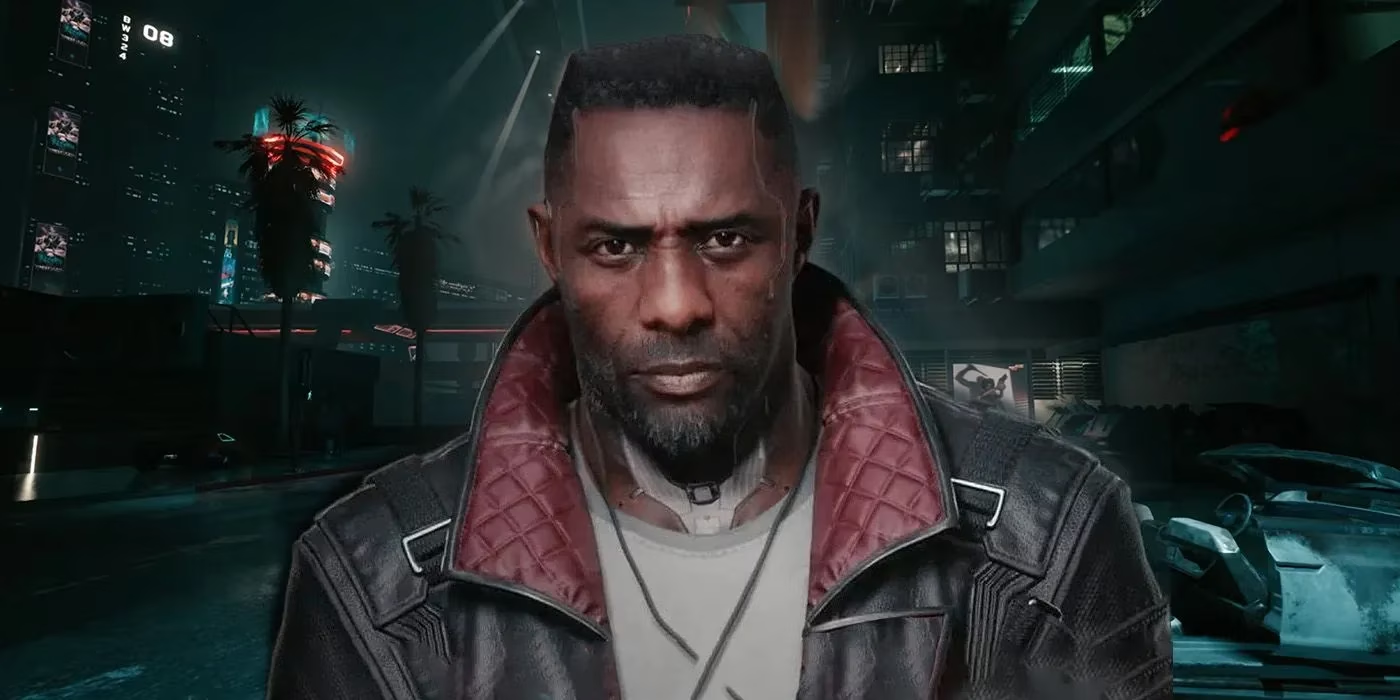
Before Phantom Liberty, I had heard about players glitching into this unfinished slice of the map. In 2026 that feels like a relic of another era. The finished Dogtown is dense, hostile, and full of stories. It is a relatively small segment of the map, but CD Projekt Red packed it with enough detail that I kept forgetting to fast travel. Every alley has a smell, a threat, or a deal waiting to go wrong. The wall around Dogtown is not just scenery. It is a history lesson.
The history is ugly. Dogtown was born from the Unification War, a civil war between the New United States and the Free States. The war lasted only a year, but military leaders used it to seize land. Pacifica was supposed to be a tourism and entertainment hotbed, but the conflict suspended construction. When the dream died, Dogtown became a Combat Zone, a ruined area with almost no law enforcement and large gangs running the show. It was so troublesome that Night City walled it off. NUSA Colonel Kurt Hansen took control and rules through his private militia, the Barghest.
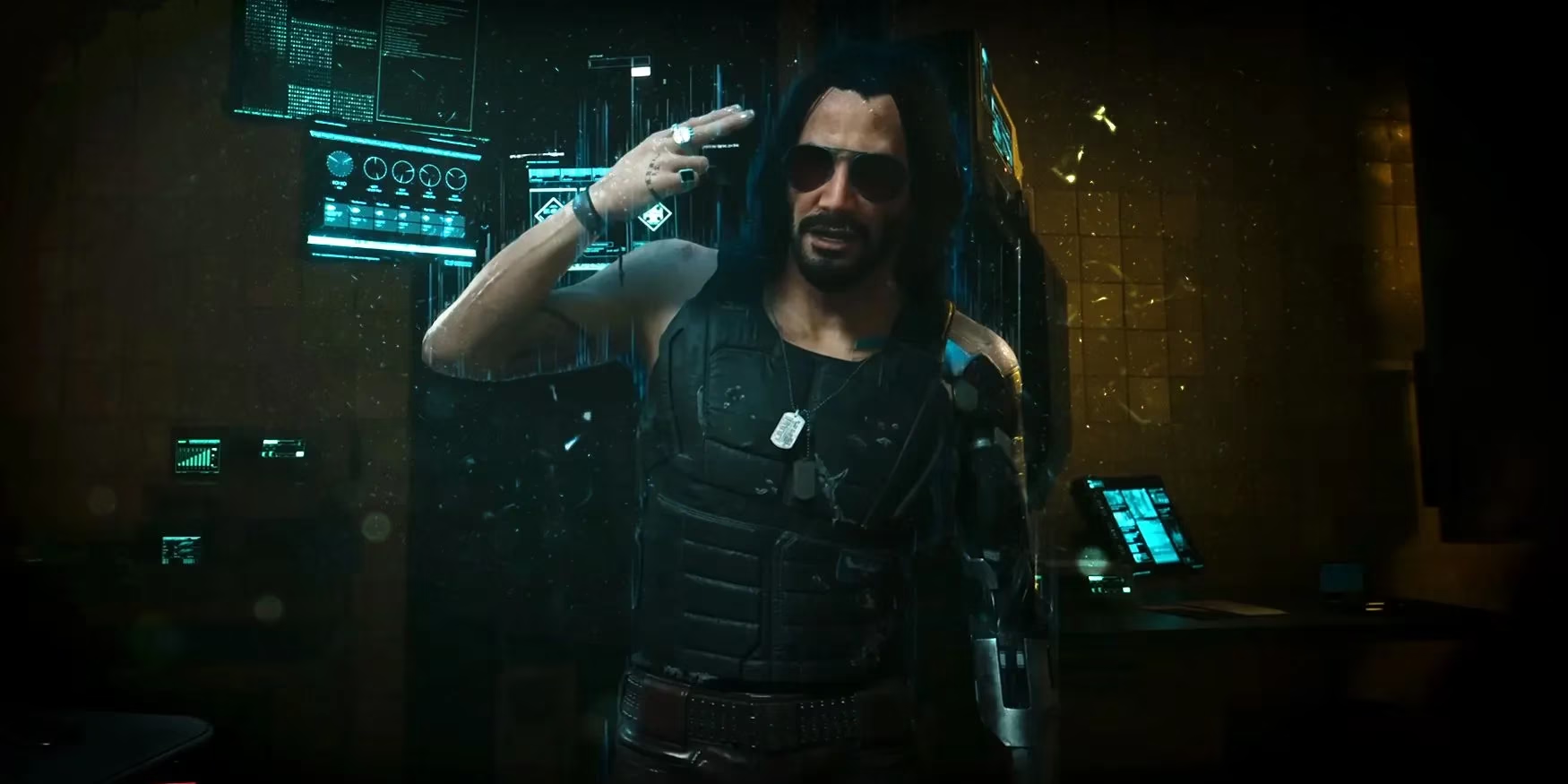
The Barghest are mostly ex-soldiers who served with Hansen during the war. They are ruthless and quick-tempered, and they make every checkpoint feel like a bad idea. I learned that the hard way. On one of my first runs, I tried to slip through a side street with a low-level character, thinking I could talk my way past trouble. I could not. The Barghest do not negotiate with tourists. I left with fewer eddies, a broken cyberdeck, and a new respect for walls.
In Phantom Liberty, V becomes an agent for the New United States of America and gets pulled into Dogtown’s espionage and dangerous struggles. That story fits the location. Dogtown is not a playground. It is a pressure cooker of old war debts, new betrayals, and people who have learned to survive by being useful or dangerous. As a player, I felt that tension in small ways. A quiet corner could turn into a firefight. A friendly face could be a trap. Even the skyline feels wrong, like the city is leaning away from the place.
| Field note | What I found |
|---|---|
| Location | Southern Pacifica, inside the Night City map |
| Borders | East and between West Wind Estate and Coastview |
| Ruler | Colonel Kurt Hansen and the Barghest |
| Origin | Unification War and abandoned Pacifica construction |
| Vibe | Walled-off Combat Zone with espionage on top |
| Risk | ⚠️ High. Bring a plan, not just a gun. |
The rumors make it worse. Across Cyberpunk 2077, people say the NCPD dumped cyberpsychos into Dogtown, which means V can run into enemies who are not just gang members but walking disasters. I do not know if every rumor is true, but the atmosphere makes me believe them. Dogtown feels like a place where the city sends problems it does not want to solve. 🧱💀
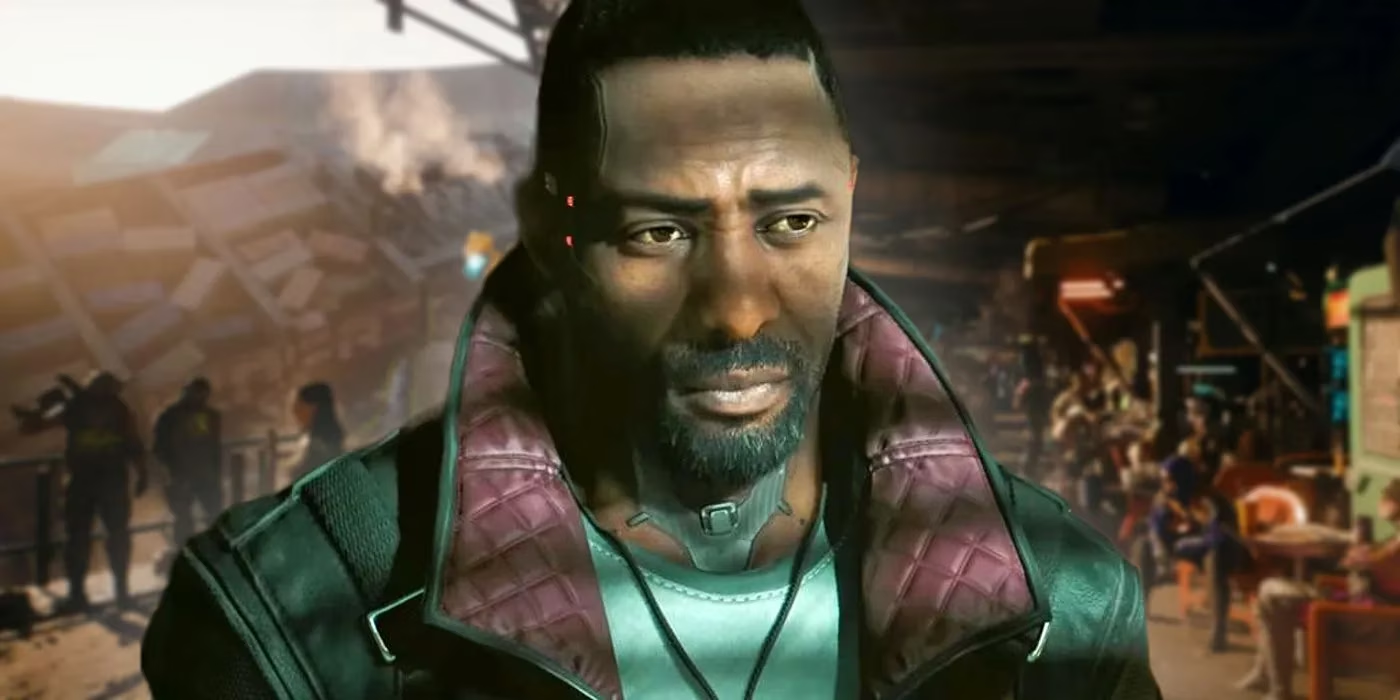
What surprises me most in 2026 is how much Dogtown still rewards slow play. It is small on the map, but it is not thin. I found side jobs that turned into small tragedies. I found black-market corners that made me question my build. I found rooftops that gave me a view of Night City and reminded me that Dogtown is still part of it, even if the wall says otherwise. CD Projekt Red has always been good at packing content into tight spaces, and Dogtown proves it again.
So if you are returning to Cyberpunk 2077 in 2026, do not treat Dogtown as a checklist. Treat it as a story. Walk through the checkpoint. Listen to the Barghest. Look at the wall. Then ask yourself why a city would build a border inside itself. My answer, after all these hours, is simple: Night City did not wall off Dogtown to keep danger out. It walled it off because danger was already there, and the rest of the city wanted to pretend it was not.
Comments