Phantom Liberty's Cyberware Rework Still Rewires Night City in 2026
Cyberpunk 2077 Phantom Liberty's cyberware and skill tree rework turn every build into a tense trade-off, keeping Night City irresistible in 2026.
When I returned to Cyberpunk 2077 in 2026, the Phantom Liberty cyberware overhaul no longer felt like a patch note—it felt like the game's spine. Three years after the expansion launched on September 26, 2023, I still treat every ripperdoc visit as a chess opening rather than a shopping trip. The old system rewarded whoever had the fattest wallet; the new one asks me to commit, sacrifice, and live with the consequences. That shift is why Night City still pulls me back.
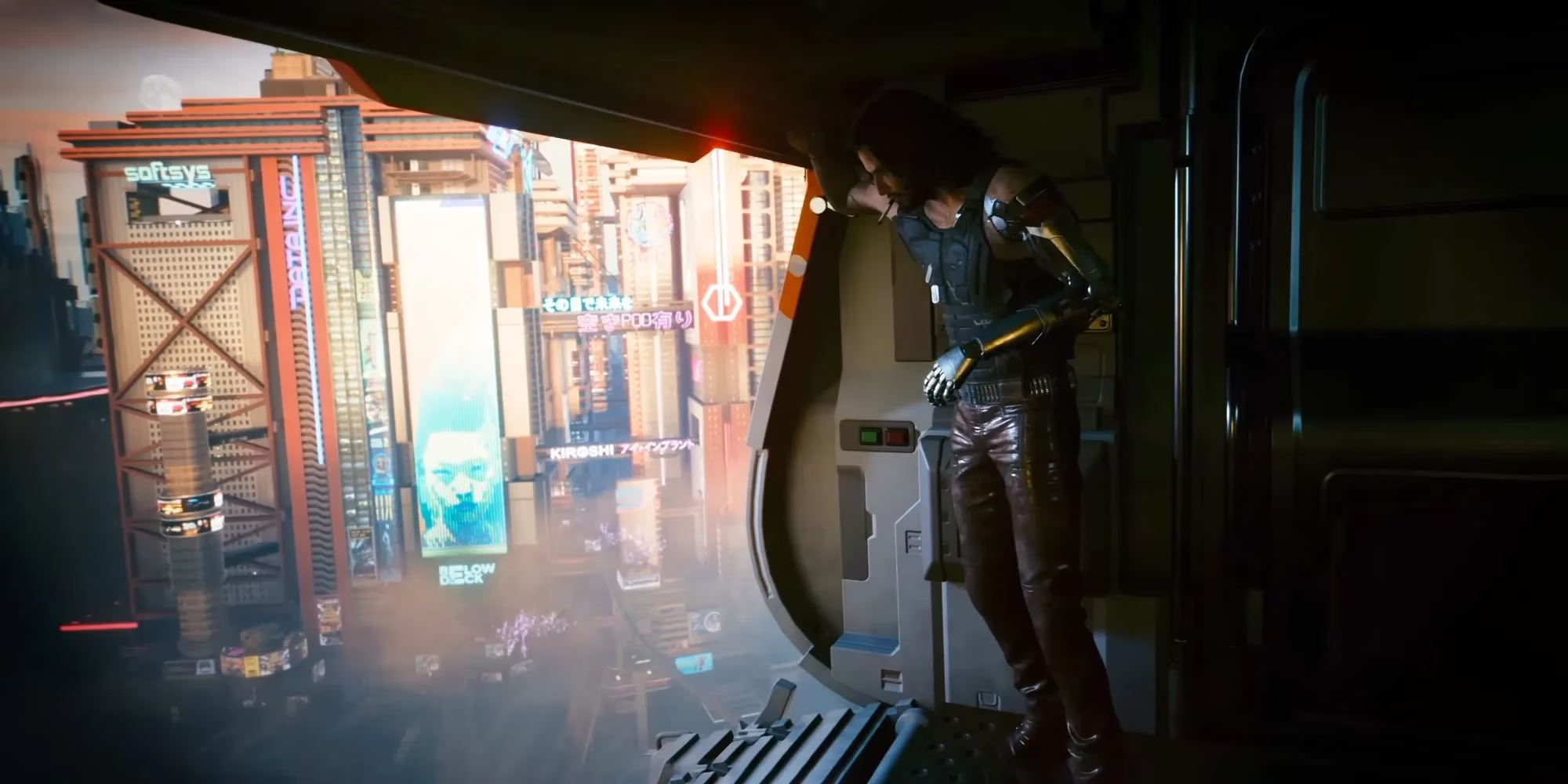
In the base game, armor came from clothes, so style often lost to stat-stacking. Phantom Liberty moved armor onto cyberware, which means I can dress V like a Dogtown fixer or a corporate ghost without becoming tissue paper in a firefight. That alone changed how I approach the wardrobe screen. The rework also added a capacity limit and stat debuffs for overloading implants, though CD Projekt Red confirmed it does not go as far as full cyberpsychosis. The capacity limit is the rare RPG constraint that feels like packing a suitcase with live crabs: every implant you add pinches somewhere else. I have to decide whether extra health matters more than a faster dash, and that decision echoes through every boss fight.
| System | Pre-Phantom Liberty | Phantom Liberty, as I see it in 2026 |
|---|---|---|
| Armor source | Clothing | Cyberware |
| Implant choice | Price and raw power | Capacity, build identity, and trade-offs |
| Overload penalty | Minimal | Stat debuffs, not cyberpsychosis |
| Skill tree | Passive percentage buffs | Ability-based perks |
| Installation | Shopping screen | V's point-of-view animation |

I also appreciate that the Edgerunners perk gives V a way to raise cyberware tolerance, echoing David Martinez's unnatural affinity for metal without turning the game into a full anime crossover. Leveling naturally increases capacity too, so my build grows with me. The installation animations are a small touch with a long reach: watching V get chrome fitted from their own eyes makes the ripperdoc chair feel like a surgical theater instead of a vending machine. In 2026, I still wince when the drill spins up.
The skill tree rework matters just as much. Perks now lean toward abilities—midair dashes, bullet deflection—rather than flat damage percentages. Combat plays like a jazz drummer's solo: unpredictable, rhythmic, and occasionally bruising. I can chain a dash into a deflect and a melee finisher, and the fight feels authored rather than automated. That is a far cry from the old loop of stacking crit chance and holding the trigger.

Story-wise, Phantom Liberty still stands as a spy-thriller detour into Dogtown, with V trying to save NUSA President Rosalind Myers, Keanu Reeves returning as Johnny Silverhand, and Idris Elba playing FIA agent Solomon Reed. But the cyberware rework is the cherry on top because it changes how I inhabit that story. Build crafting now resembles a cartographer redrawing a coastline while the tide is already in: I can plan, but the game keeps reshaping the shore. Every implant slot is a small argument between power and identity.
By 2026, the Phantom Liberty cyberware system remains the template I want other RPGs to study. It makes armor, fashion, combat, and role-play share the same bloodstream. I no longer ask which implant is most expensive. I ask who V is becoming—and whether that person can survive the next firefight. For me, that is the real game-changer.
Based on evaluations from Digital Foundry, Cyberpunk 2077’s long-term appeal is also tied to how confidently its systems are presented on screen, where animation detail, performance stability, and visual feedback help mechanical overhauls like Phantom Liberty’s cyberware redesign feel more tangible and deliberate rather than cosmetic.
Comments